Congrats! You have reached the conclusion of our deep dive into the current State of NYC Bike Racing. If you read all 10,000+ words and examined the dozens of exhibits across the six Journal entries that comprise the Series, thank you and we hope you enjoyed the output of our untold hours of work. If you skimmed ahead to the conclusions, we don’t blame you. In fact, we’re going to give you the TL:DR from each section here, before diving into our full conclusion and recommendations.
NYC Road Racing Part 1: The End of Weekday Racing and a Shrinking Event Calendar
The calendar has been cut in half. NYC races fell from 70 in 2018 to 35 in 2026, and starters fell 52% from their 2019 peak. Midweek racing took the biggest hit: all three weeknight series are gone, and we believe that loss has hurt the community most.
The pyramid has inverted. Category C starters have fallen sharply, and every year since 2023, Category A starters have outnumbered them. Without more novices coming through, the community will keep shrinking.
Central Park may be the stronger entry point for new racers. We think that reflects its development fields and CRCA’s clinics and coaching.
Demand peaks in June. Turnout tapers through the rest of the season, so June, then July, then April and May are the best months to add events.
NYC Road Racing Part 2: The Racer Lifecycle
Rookie recruitment peaked at 334 in the 2021 bike boom, fell through 2023, and has held steady at roughly 200 to 230 a year since, in line with pre-COVID levels.
Retention is the problem: only about 45% of the 2024 and 2025 classes came back for a second season, down from 56% before COVID and the lowest outside the COVID-disrupted years.
NYC’s racing community was historically sustained by strong retention, well above national benchmarks. That advantage held through 2023 but has now slipped sharply, so fewer rookies are making it past their first season.
Masters and Category A riders stay in the sport the longest. They are propping up participation even as fewer new riders stick around.
NYC Road Racing Part 3: What Does the Future Hold?
If we project our retention trends forward, the forecast suggests a continued decline in the racing population, which is problematic given that some venues are struggling to make ends meet. The next five years are crucial; simply maintaining the size of our community is not enough when races are already losing money. We need to grow the scene.
We’ve identified several features associated with rookie retention.
The primary priority for our community should be encouraging increased race participation.
Following this, we should be encouraging rookies to experience both race scenes.
Finally, helping rookies connect with local teams may be beneficial.
2026 rookie recruitment seems to have stabilized, though we may still be benefiting from the post-COVID bike boom. Importantly, predicting where rookies come from is not trivial and we shouldn’t expect these numbers to remain constant. The community should pay attention to these numbers and not shy away from the importance of encouraging bike riders to engage in competition.
NYC Road Racing Part 4: Does the Women’s Peloton Show Signs for Hope?
Women’s racing has shown good overall stability even as broader participation across the local calendar has worsened significantly in recent years.
While our data set does not identify the qualitative aspects of this stability, we speculate there is a “if you build it, they will come” Field of Dreams dynamic with growing/stable field counts supporting relatively better participation trends.
That said, women’s racing does not escape the broader softening in rookie recruitment and retention, the combination of which threatens the relative stability in participation.
2026 participation trends were very weak compared to 2025 - our data did not identify a reason for this significant decline
Analysis throughout by Gregory Hruby, assisted by Matthew Vandivort, edited by Liz Marcello
Our Conclusions on NYC Road Racing
Our findings quantify meaningful declines in participation in recent years. But this decline is not evenly distributed across categories nor venues. Participation in expert Category A fields have remained more stable while entry-level participation has dwindled dramatically. This indicates that the core issue lies upstream from the racing that many longer-term racers and community leaders partake in, given these racers are typically in intermediate or expert categories. Furthermore, though decline was disproportional between our core venues of Central Park and Prospect Park, both venues saw a drop in participation and an inversion of our expert:novice ratio. The decline is systemic.
In particular, while new racer recruitment shows some degree of stability, our retention analysis shows significant decreases in the number of new racers that remained in the sport beyond their first season over the past several years. In fact, rookie racers are dropping out of the sport earlier than at any point in history. Due to the compounding nature of these declines, our analysis forecasts continued decreases in participation absent an intervention.
In our view, adjustments to race quality or individual event formats cannot offset a shortage of newer racers. Relative stability in recent Category A participation is not a panacea. Structurally lower churn dynamics in expert fields simply means that by the time Category A fields start shrinking, the pipeline of developing racers moving from novice to intermediate/expert fields will have already dried up. If we get to that point, gaining new racers will be even more challenging.
We haven’t seen an explicit push within the NYC cycling community to both recruit and retain racers. Events are organized, fields get filled or they don’t, and the overall health of the scene is whatever it turns out to be. However, by looking at the data in this article, we can now organize around concrete goals: the entire NYC racing community should establish targets and strategies for the recruitment and retention of the 2027 rookies.
Our modelling section shows that retention is extremely important. A percentage point of annual retention is worth far more to us than a percentage point of recruitment, because it applies again every year a racer stays. But improved retention alone may only stabilize the local race community. Instead, we should aim to improve BOTH recruitment and retention to grow our community and recover the losses from recent years. This is a long-term, 5-year growth strategy, akin to increasing your FTP. We need constant steady efforts over many years to achieve our goals, no fancy one dimensional interval is going to work.
How Do we deliver on these goals?
Saving the local racing scene requires a massive, unified effort. It doesn’t have to be led by CRCA, but the club is the most logical place to start. This means that the entire club – not just the Board of Directors – needs to prioritize rebuilding the size and camaraderie of our community. While historical data shows CRCA leading new racer recruitment and development, recent community-wide rookie recruitment and retention statistics are concerning enough that these components of a healthy scene must be top priorities for both the club and broader community moving forward.
Questions that we would put to leadership throughout the NYC racing community:
Local teams often drive recruitment and retention, but they currently operate in silos. How can teams, race organizers, advocates, and sponsors actively better share resources to build a stronger racing scene?
Can CRCA serve as an organizing force in lockstep with those local teams, both CRCA and non-CRCA? Would a CRCA-led team captains’ council with regular online meetings be a useful forum to coordinate efforts and build community engagement?
How else can the community support these recruitment and retention goals? The all-volunteer CRCA board already does a ton of work to organize and sustain their racing calendar, and other race directors are necessarily focused on their own individual events. In this context, can we expect individual teams to lead new racer events like skills sessions, group rides, or online forums for new racers to ask questions?
How do we pursue growth while continuing to respect other park users and maintaining our positive relationship with the Parks Department, without which local racing would not exist?
With clear quantification of a shrinking race calendar now available as part of this analysis, what can the community do to sustain existing events while also securing new venues and introducing new races to the calendar?
We believe that in addition to addressing the above questions, an important next step is to conduct a qualitative review of what is driving recent declines in new racer recruitment and retention. We are well aware of this year’s focus on race permitting/insurance structures, but significant declines in recruitment and retention actually started several years ago. Given this, additional qualitative research would prove highly valuable in identifying and ultimately addressing key problem areas for recruitment and retention. We suggest a combination of racer interviews and surveys, perhaps in tandem with the aforementioned team captain/new racer forums.
Closing Thoughts from Greg Hruby
On a personal note, over the past few years I (GH) have watched social media slowly erode the cohesiveness of our racing community. Instead of talking with each other, we’ve been reduced to talking at each other through Instagram memes, old-man Facebook posts, and random group chats, all of which draw in people who either haven’t been part of this community in decades or don’t do anything to support the community otherwise. These channels reward hot takes over understanding, and they leave the people who actually show up to race, volunteer, and promote events feeling unheard, misrepresented, and dismissed. I strongly believe we need a different approach: a regular round table that brings together team captains and leadership from outside the team structure, so the community at large is represented and every voice is heard in a respectful, face-to-face setting. If we come to that table ready to listen, I’m confident we can develop novel solutions that make our community a warmer place, reconnect us around shared values and goals, and strengthen member retention and participation across every category and level of racing in this city. It would be a shame if our love of this sport ended in silence and malice rather than in cheering on the next generation. After the next CRCA board is elected, it would be ideal to start these conversations anchored around the broader set of questions presented above.
The Final WOrd
Participation has fallen, but the shape of the decline matters far more than the decline itself. Our losses are concentrated at the entry level, while our experienced fields are sustained by those who arrived when the pipeline of new racers was much larger. This is not a healthy or sustainable dynamic, but this doesn’t have to be permanent. Saving NYC cycling demands an immediate, unified focus on rookie recruitment and retention. No single club, promoter, or team can do this alone.
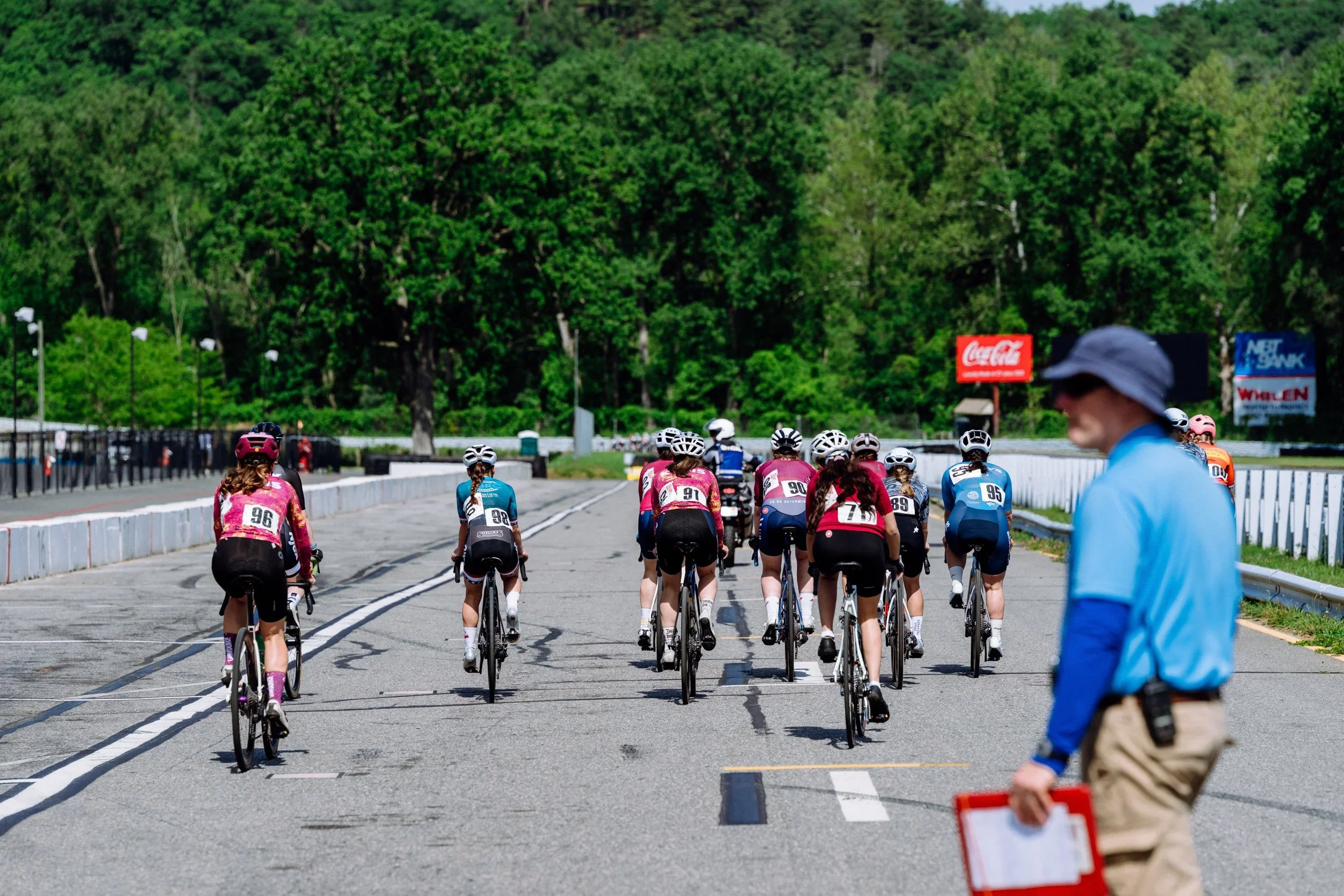
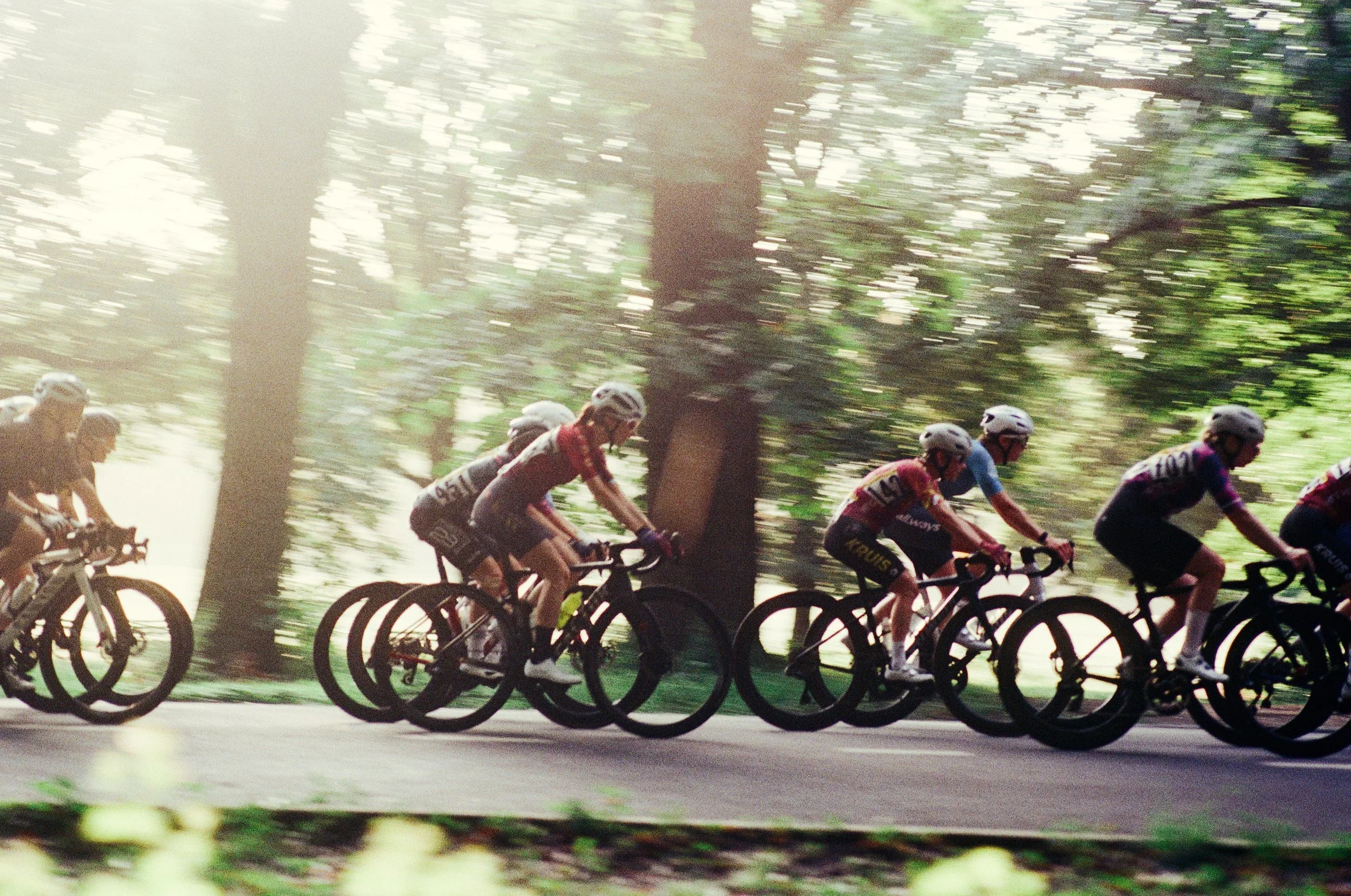
We end our examination of NYC Road Racing with a summary of our findings, our conclusions and finally some recommendations and questions for the racing community